
Facility Number 7127793
Facility Number 7127793
 Avi Singh
Apr 17, 2026
Avi Singh
Apr 17, 2026
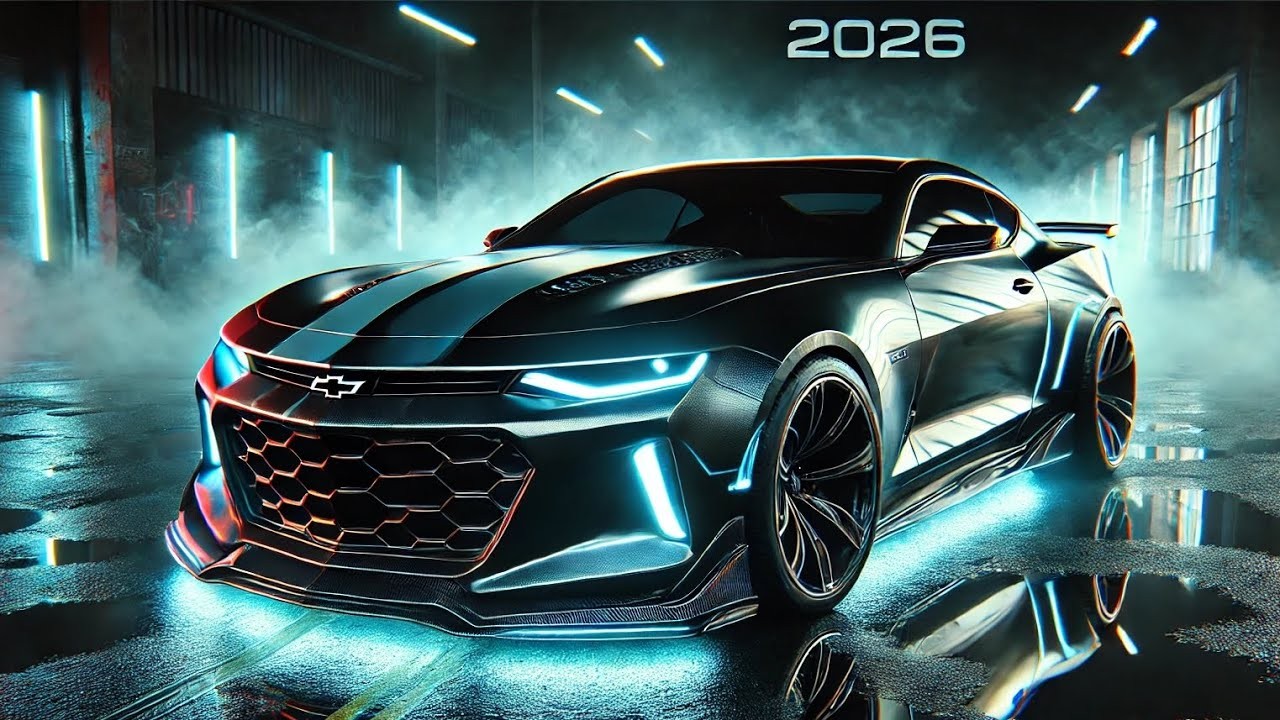
The automotive industry is undergoing a fundamental shift. In 2026, the idea of owning a car as a long-term asset is steadily giving way to a more flexible, experience-driven approach. Today’s consumers are prioritizing convenience, financial efficiency, and access to the latest technology—factors that leasing delivers exceptionally well. What was once viewed as an alternative is now emerging as the preferred choice for modern drivers.
Consumer behavior has evolved across industries, and the automotive sector is no exception. Just as streaming services replaced physical media, access has become more valuable than ownership. Leasing reflects this transformation by allowing individuals to drive a vehicle without the long-term commitment of buying.
This model offers the freedom to upgrade every few years, adapt to changing needs, and avoid being tied to a single vehicle for an extended period. For a generation that values flexibility and experiences, leasing aligns seamlessly with their lifestyle.
One of the most compelling advantages of leasing is its financial structure. Compared to traditional financing, leasing typically requires lower monthly payments and minimal upfront investment. This enables drivers to access premium vehicles that might otherwise be out of reach.
Rather than committing substantial capital to a depreciating asset, leasing allows individuals to maintain liquidity while enjoying a high-quality driving experience. It represents a more efficient allocation of resources, particularly in an era where financial awareness is increasingly important.
Technological advancements in the automotive industry are accelerating at an unprecedented pace. From electric mobility to advanced driver-assistance systems and connected features, vehicles are becoming more sophisticated with each new model year.
Leasing ensures that drivers are never left behind. By upgrading vehicles every few years, they can consistently benefit from the latest innovations in safety, performance, and connectivity—without the burden of owning an outdated model.
Car ownership comes with inherent challenges, including depreciation, maintenance costs, and the complexities of resale. Over time, these factors can significantly impact the overall cost and experience of owning a vehicle.
Leasing eliminates many of these concerns. At the end of the lease term, drivers can simply return the vehicle and transition into a new one. There is no need to negotiate resale value or manage long-term wear and tear, making the entire process significantly more streamlined and predictable.
In 2026, consumers are making more informed financial decisions. Leasing aligns with this mindset by offering flexibility without long-term debt. It allows individuals to preserve cash flow and redirect their resources toward investments, personal growth, or lifestyle experiences.
This approach positions leasing not just as a method of acquiring a vehicle, but as a strategic decision that supports broader financial well-being.
At iMotors, leasing is redefined through simplicity, transparency, and customer-centric service. With access to a curated range of premium vehicles and tailored leasing solutions, iMotors ensures a seamless experience from selection to delivery.
By removing traditional complexities and offering clear, competitive pricing, iMotors empowers customers to make confident decisions while enjoying a superior level of convenience.
The future of driving is no longer defined by ownership, but by flexibility, innovation, and financial intelligence. Leasing represents a modern approach that meets the evolving needs of today’s drivers—offering access to better vehicles, fewer long-term obligations, and greater control over one’s financial journey.
As this shift continues to gain momentum, leasing is not merely an emerging trend—it is the new standard for driving in 2026 and beyond.






Ask your questions to keep logs of unusually helpful
solutions they’ve shared with customers.