
Facility Number 7127793
Facility Number 7127793
 Shival Kumar
Jun 19, 2026
Shival Kumar
Jun 19, 2026
Have you ever noticed how people often make assumptions about someone based on the car they drive?
A luxury SUV pulls into a parking lot, and people instantly imagine a successful executive. A rugged off-road vehicle arrives, and others assume its owner loves adventure. A sleek sports car speeds by, and heads turn with curiosity and admiration.
Whether we realize it or not, cars are more than machines. They are extensions of our personalities, lifestyles, aspirations, and values.
For decades, psychologists and marketing experts have studied the relationship between consumer behavior and personal identity. One fascinating discovery is that the vehicles we choose often reflect how we see ourselves—or how we want the world to see us.
Of course, no car can perfectly define a person. Human personalities are far too complex for that. However, our automotive preferences often reveal interesting clues about our priorities, ambitions, habits, and outlook on life.
So what might your vehicle choice say about you?
Let's explore the fascinating psychology behind the cars we drive.
Unlike most purchases, a vehicle becomes part of our daily lives.
We drive it to work.
We take it on road trips.
We rely on it during important moments.
We spend countless hours behind the wheel.
Because of this constant interaction, cars often become deeply connected to our self-image.
Psychologists refer to this concept as "extended identity." Simply put, people often use possessions to express who they are.
Some people express themselves through fashion.
Others do it through technology, homes, or hobbies.
For millions of people around the world, cars become one of the most visible reflections of personality.
The vehicle parked in your driveway often communicates a message before you ever say a word.
Luxury vehicles are often associated with success, and for good reason.
Many luxury car owners view their vehicles as rewards for years of hard work, career growth, or business accomplishments.
For these individuals, the vehicle represents more than transportation—it symbolizes achievement.
People who gravitate toward premium brands often value:
Quality craftsmanship
Professional image
Comfort
Innovation
Attention to detail
Interestingly, luxury car owners are not always trying to impress others.
In many cases, they simply enjoy the experience of driving something refined and well-engineered.
The luxury vehicle serves as a personal reminder of goals achieved and milestones reached.
For some, it is motivation.
For others, it is validation.
Either way, the vehicle becomes part of their success story.
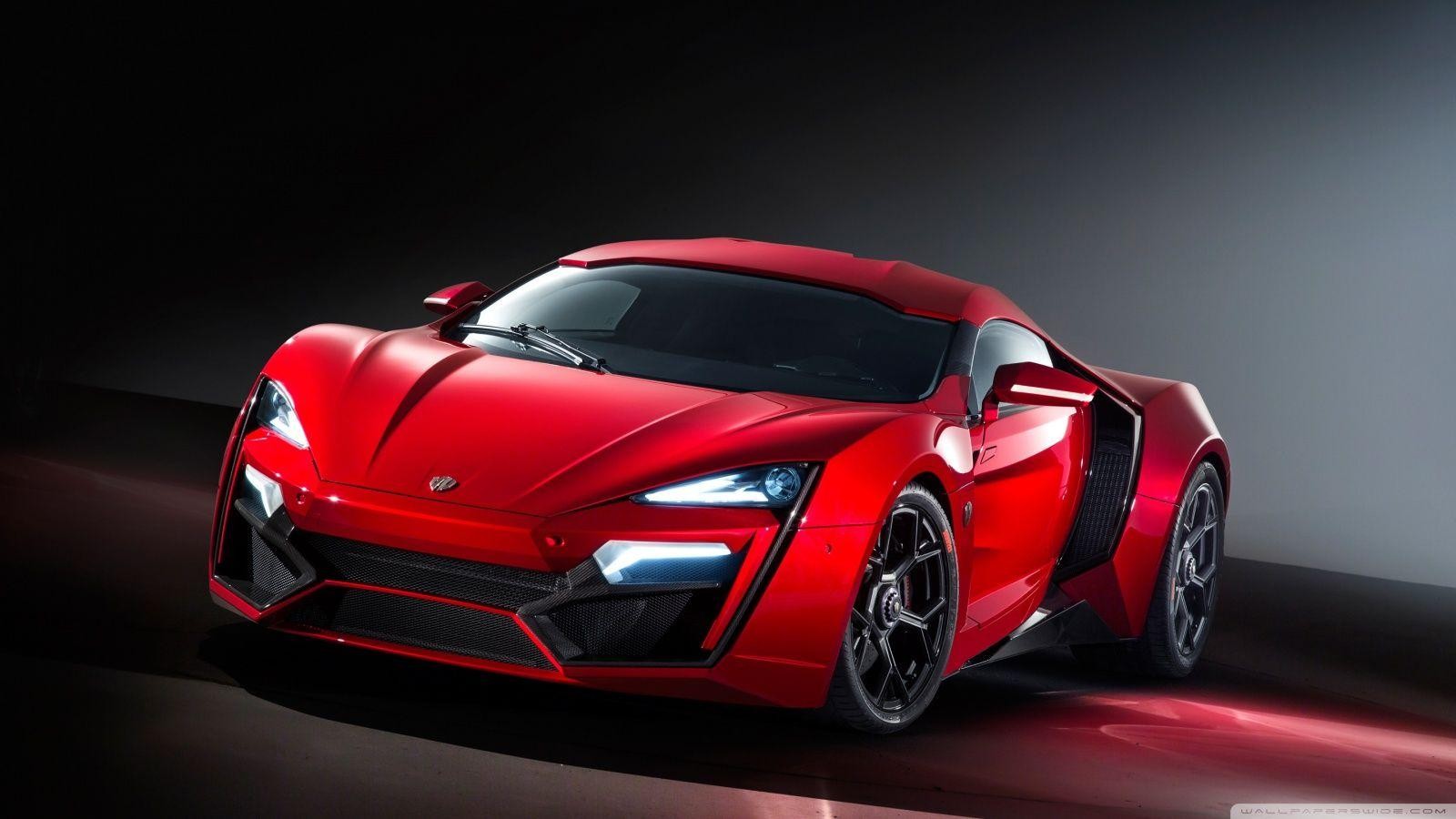
Few vehicles generate emotional reactions quite like sports cars.
Whether it's the aggressive styling, thrilling acceleration, or unmistakable engine sound, sports cars appeal to people who seek excitement and individuality.
Drivers who choose performance-oriented vehicles often share several characteristics:
Competitive mindset
Confidence
Enthusiasm for experiences
Appreciation for engineering
Desire for self-expression
Sports car owners are often passionate individuals who value enjoyment as much as practicality.
They are willing to sacrifice additional cargo space, rear-seat comfort, or fuel economy for the simple pleasure of driving.
To them, a car is not just transportation.
It's an experience.
SUVs have become one of the most popular vehicle categories in the world, and their appeal goes far beyond size.
Many SUV owners prioritize versatility and preparedness.
They want a vehicle capable of handling family responsibilities, road trips, changing weather conditions, and daily commuting without compromise.
People who prefer SUVs often value:
Security
Reliability
Flexibility
Comfort
Long-term practicality
SUV owners are frequently planners.
They like having options and prefer being prepared for unexpected situations.
While they may appreciate luxury and style, functionality usually remains a major priority.
In many ways, the SUV reflects a balanced personality—someone who wants capability without sacrificing comfort.
Pickup trucks have long been associated with hard work, resilience, and practicality.
Truck owners often value functionality above appearances.
They tend to appreciate vehicles that can accomplish tasks rather than simply look impressive.
Common characteristics associated with truck owners include:
Independence
Confidence
Practical thinking
Reliability
Strong work ethic
Many truck owners take pride in being able to tackle challenges themselves.
Whether it's hauling equipment, towing trailers, or helping friends move furniture, trucks often attract people who enjoy being capable and dependable.
For these individuals, utility matters just as much as style.
Electric vehicles have transformed from niche products into mainstream choices.
Drivers who choose EVs are often motivated by more than fuel savings.
Many see themselves as early adopters of future technologies.
They are typically interested in:
Innovation
Sustainability
Efficiency
Environmental responsibility
Technological advancement
EV owners often enjoy being part of emerging trends and embracing new ways of thinking.
They tend to be curious, adaptable, and open to change.
Their vehicle choice reflects a willingness to invest in what they believe the future will look like.
Luxury SUVs have become increasingly popular among professionals, entrepreneurs, and families seeking premium experiences.
These drivers often refuse to choose between practicality and prestige.
They want:
Comfort
Space
Technology
Safety
Sophisticated styling
Luxury SUV owners are frequently ambitious individuals who appreciate convenience and efficiency.
They value products that simplify life while maintaining a strong professional image.
Their vehicle choice reflects a desire for balance—success without sacrificing functionality.
Not everyone measures success through luxury purchases.
Many people intentionally choose practical, economical vehicles despite being able to afford more expensive options.
These drivers often prioritize:
Financial responsibility
Efficiency
Simplicity
Long-term value
Practical decision-making
Their vehicle choice suggests confidence in their priorities rather than concern for appearances.
In many cases, these individuals focus on experiences, investments, or personal goals rather than status symbols.
The decision isn't about what they can't afford.
It's about what they choose to value.
It's important to recognize that personality isn't the only factor influencing vehicle choices.
Lifestyle plays a significant role.
A young professional living in a city may choose a compact luxury sedan because it fits their environment.
A growing family may prioritize an SUV because their needs have changed.
An entrepreneur may select a luxury vehicle because it aligns with their professional image.
Our vehicles often reflect a combination of personality, circumstances, responsibilities, and aspirations.
The relationship between cars and identity is complex.
But that's what makes it so fascinating.
Interestingly, psychologists suggest that dream cars may reveal even more about personality than actual vehicles.
After all, dream cars are often free from practical limitations such as budget, family obligations, or commuting needs.
The vehicle we fantasize about driving often represents:
Personal aspirations
Future goals
Desired lifestyle
Self-image
Whether it's a luxury sedan, an exotic sports car, a rugged off-roader, or a futuristic EV, dream cars often tell a story about who we hope to become.
Despite all the stereotypes, it's important to remember that no vehicle can fully define a person.
A sports car driver can be practical.
A truck owner can be environmentally conscious.
A luxury car owner can be humble.
Human beings are far more complex than the products they purchase.
However, vehicles do provide insight into what people value, prioritize, and enjoy.
And that is why automotive choices remain such a fascinating reflection of human psychology.
Cars are far more than transportation tools.
They are symbols of identity, ambition, lifestyle, and personal values.
Whether you drive a luxury SUV, a sports car, an electric vehicle, or a practical commuter, your choice likely reflects certain aspects of your personality and priorities.
The next time you look at a vehicle, don't just think about horsepower, fuel economy, or technology.
Consider the story behind it.
Because every car tells a story.
And more often than not, that story begins with the person behind the wheel.






Ask your questions to keep logs of unusually helpful
solutions they’ve shared with customers.