
Facility Number 7127793
Facility Number 7127793
 Shival Kumar
Jun 19, 2026
Shival Kumar
Jun 19, 2026
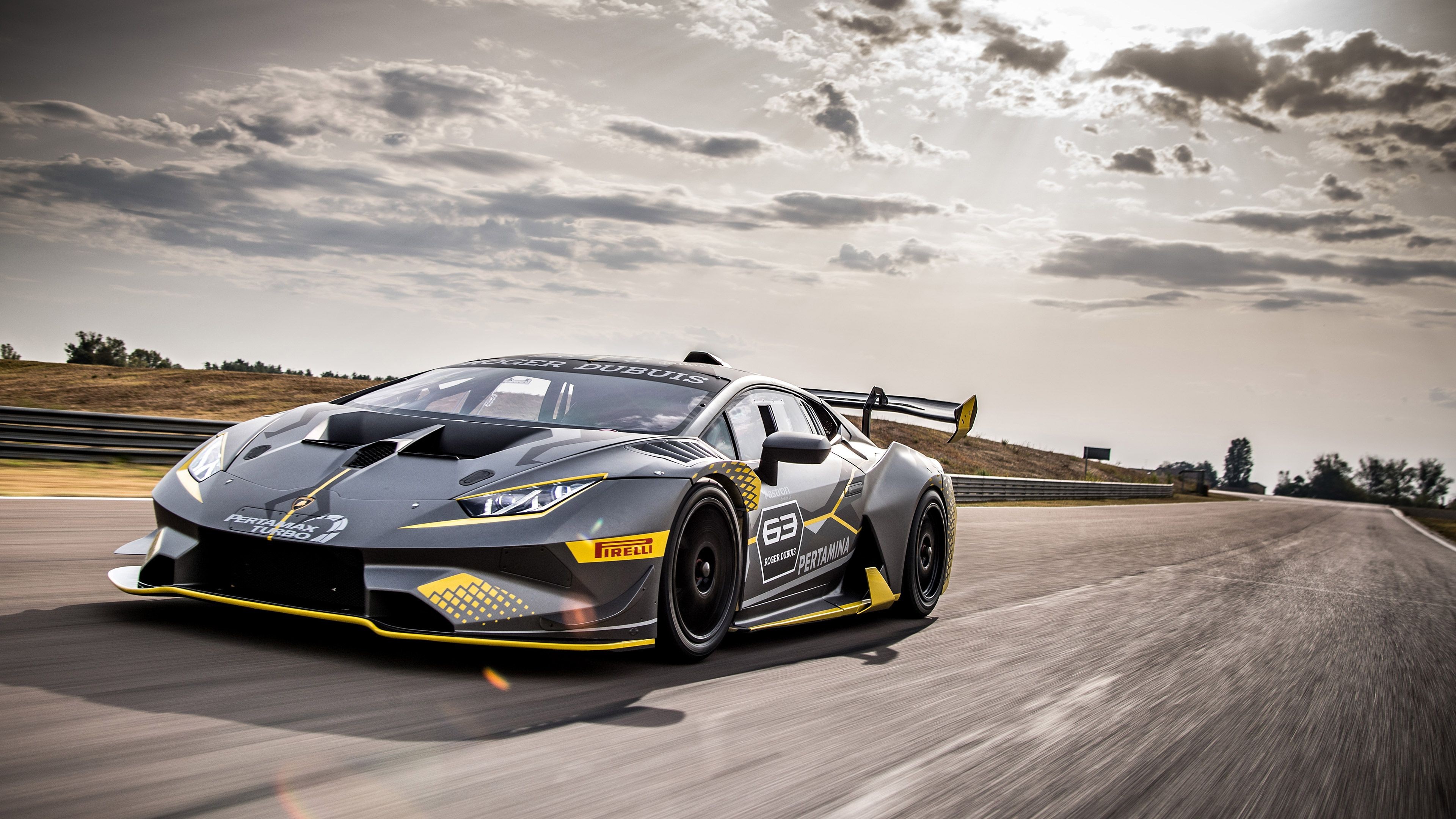
Walk through any major city and you'll notice something interesting.
A luxury SUV waits at a traffic light. A sleek sports car glides past a crowded street. A premium sedan pulls into an office parking lot.
To some people, these vehicles are simply modes of transportation. To others, they represent success, status, ambition, freedom, or even personal identity.
But have you ever wondered why people spend tens of thousands—or sometimes hundreds of thousands—of dollars on luxury vehicles when less expensive options can accomplish the same basic task?
The answer goes far beyond horsepower, leather seats, or advanced technology.
Luxury car ownership is deeply rooted in human psychology.
Behind every luxury vehicle purchase lies a fascinating combination of emotion, identity, social influence, and personal aspiration. Understanding these motivations reveals why luxury vehicles continue to hold such a powerful place in modern society.
Let's start with a simple truth.
Most modern vehicles can safely get a driver from Point A to Point B.
A compact sedan, a family SUV, and a luxury vehicle all perform the same fundamental function.
Yet consumers willingly pay significantly more for premium brands.
Why?
Because luxury vehicles are not merely transportation products.
They are emotional products.
People don't just buy luxury cars because they need a vehicle.
They buy them because of how the vehicle makes them feel.
The feeling of achievement.
The feeling of confidence.
The feeling of standing out.
The feeling of reward after years of hard work.
In many cases, these emotional benefits become more valuable than the vehicle itself.
One of the strongest psychological drivers behind luxury car ownership is status.
For thousands of years, humans have used possessions to communicate social standing.
Historically, it was land, jewelry, or rare goods.
Today, luxury vehicles often serve a similar purpose.
A luxury car sends a message.
It can communicate:
Whether consciously or subconsciously, people often use vehicles as symbols that reflect how they want to be perceived by others.
This doesn't necessarily mean luxury car owners are trying to impress people.
In many cases, they're simply expressing a version of themselves that aligns with their personal goals and achievements.
Psychologists often refer to possessions as an extension of the self.
The products we buy become part of our personal identity.
Think about it.
Someone who drives a rugged off-road SUV may view themselves as adventurous.
Someone who drives an electric luxury vehicle may value innovation and sustainability.
Someone who chooses a high-performance sports car may identify with excitement, speed, and individuality.
Luxury vehicles allow people to express who they are—or who they aspire to become.
This is why vehicle choices often feel deeply personal.
When someone criticizes a person's favorite car brand, it can sometimes feel like a criticism of the owner themselves.
The vehicle becomes more than a product.
It becomes part of their story.
For many individuals, purchasing a luxury vehicle serves as a milestone.
It represents progress.
After years of long work hours, business growth, promotions, sacrifices, or financial discipline, a luxury car becomes a tangible reward.
Psychologists call this symbolic consumption—buying products that represent personal accomplishments.
The luxury vehicle serves as a daily reminder of goals achieved and challenges overcome.
For some, it marks their first major business success.
For others, it celebrates a career milestone.
The vehicle becomes associated with positive emotions, making ownership even more meaningful.
Luxury vehicles often provide something that is difficult to quantify: confidence.
Research in consumer psychology consistently shows that people behave differently when they feel more confident.
Luxury vehicles contribute to confidence through:
When individuals feel confident, it often influences how they interact with others professionally and socially.
This psychological effect isn't necessarily about showing off.
It's about how ownership influences self-perception.
The way people feel about themselves often changes the way they present themselves to the world.
Luxury brands spend decades building reputations.
Consumers don't just buy vehicles.
They buy trust.
They buy heritage.
They buy stories.
When someone chooses a premium automotive brand, they are often purchasing into a legacy that has been built over generations.
Luxury brands successfully create emotional connections by associating themselves with:
The emotional value of the brand often becomes just as important as the physical vehicle itself.
Human beings naturally place greater value on things that are scarce.
This psychological phenomenon is known as the scarcity effect.
Luxury vehicles frequently leverage this principle through:
When something is difficult to obtain, it often becomes more desirable.
Exclusivity creates emotional appeal that extends beyond functionality.
Owning something rare creates a sense of uniqueness and distinction that many consumers find attractive.
No purchasing decision happens in complete isolation.
Family, friends, colleagues, social media, and cultural trends all influence consumer behavior.
In today's digital world, people are constantly exposed to curated lifestyles and success stories.
Luxury vehicles often appear as recurring symbols of achievement.
As a result, many consumers develop associations between luxury vehicles and personal success long before they ever consider purchasing one themselves.
This influence isn't necessarily negative.
It simply reflects the way human beings naturally learn from their social environments.
An interesting shift has occurred in recent years.
Many luxury vehicle owners are choosing to lease rather than purchase.
Psychologically, leasing aligns well with modern consumer preferences.
Luxury consumers often value:
Leasing allows drivers to experience premium vehicles while maintaining flexibility and minimizing long-term commitment.
For many professionals, entrepreneurs, and executives, leasing provides an efficient way to enjoy luxury while adapting to changing needs.
Luxury ownership isn't limited to appearances.
The actual driving experience plays a major role in satisfaction.
Small details matter.
The sound of a well-engineered cabin.
The feel of premium materials.
The smoothness of the ride.
The responsiveness of advanced technology.
These elements create emotional experiences that consumers remember long after the purchase.
Luxury brands understand that customers aren't buying specifications.
They're buying feelings.
And feelings often drive purchasing decisions more than logic ever will.
A common stereotype suggests that luxury vehicle owners purchase cars solely to impress others.
Reality is far more complex.
Many luxury owners value:
While status may play a role, it is rarely the only motivation.
For many individuals, luxury ownership is about personal satisfaction rather than external validation.
The vehicle simply reflects priorities that differ from one person to another.
Luxury cars are often viewed through the lens of performance, design, and technology.
But beneath the surface lies something far more powerful: psychology.
Luxury vehicle ownership taps into some of the most fundamental aspects of human behavior—identity, achievement, confidence, aspiration, and self-expression.
People don't just buy luxury cars because they need transportation.
They buy them because of what those vehicles represent.
A luxury car can symbolize years of hard work, a personal milestone, a lifelong dream, or simply a commitment to enjoying life's finer experiences.
At the end of the day, the most valuable feature of any luxury vehicle may not be found under the hood or inside the cabin.
It may be the feeling it creates every time the driver gets behind the wheel.






Ask your questions to keep logs of unusually helpful
solutions they’ve shared with customers.